
World Tourism Day: Sylhet’s Promising Tourism Sector Struggles with Multiple Challenges
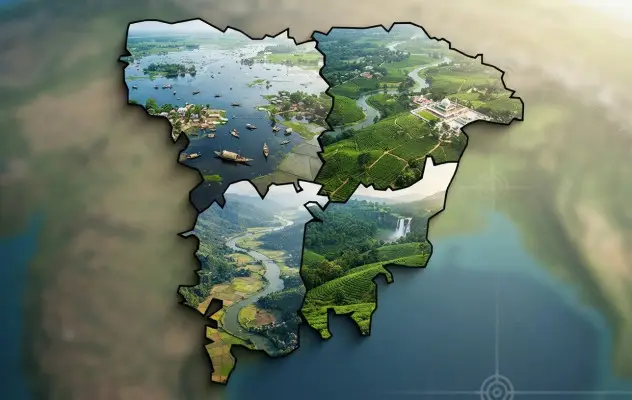
Today, Sunday (September 27), is World Tourism Day. Known as the “Queen of Nature,” Sylhet is blessed with hills and waterfalls, lush tea gardens, mysterious swamp forests and vast haors. The region holds immense importance in the country’s tourism industry. However, the reality is different from its vast potential. Sylhet’s tourism sector is currently experiencing a form of stagnation amid neglect, mismanagement and the pressure of natural disasters.
Those concerned say Sylhet is one of the country’s richest regions in terms of natural beauty, but the sector has failed to achieve its desired growth due to a lack of proper planning and management. Instead, various challenges are increasing day by day, negatively affecting the tourism-dependent economy.
The poor state of transportation has emerged as one of the biggest problems. In recent years, roads leading to various tourist destinations in the district have been severely damaged by devastating floods and hill runoff. Tourists face difficulties travelling to popular destinations such as Bichanakandi, Ratargul and Lalakhal. In many cases, internal roads have become unsuitable for travel.
Seasonal flooding and the impacts of climate change are also dealing a major blow to the tourism sector. When sudden floods occur due to heavy rainfall and water flowing down from upstream areas, the administration often has to close tourist destinations for safety reasons. As a result, the income of local businesses and workers suddenly comes to a halt, creating financial uncertainty.
Infrastructure weaknesses are also evident. Places such as Bholaganj’s Sadapathor, Jaflong and Ratargul lack adequate washrooms, changing facilities and modern waste management systems for tourists. This is increasing visitor inconvenience while also causing environmental damage.
Lack of discipline in the transport sector is another major complaint. Due to the absence of fixed fares and effective monitoring, there are frequent allegations of tourists being charged excessive fares. In some cases, there are also complaints of harassment and insecurity, negatively affecting travellers’ confidence.
Environmental degradation has also become a growing concern. The natural beauty of rivers in areas such as Jaflong and Sadapathor is being damaged by the long-running illegal extraction of stones and sand. At the same time, concerns are increasing over the ecological balance of the Ratargul swamp forest, where environmentalists have raised questions about unplanned construction.
Despite these challenges, the prospects remain promising. Alongside its natural diversity, Sylhet also holds a special position in religious tourism. Devotees from home and abroad regularly visit the shrines of Hazrat Shahjalal (RA), Hazrat Shahparan (RA) and numerous other Islamic saints.
Experts say Sylhet’s tourism sector can recover with proper planning and coordinated initiatives. Rapid repair of damaged roads, ensuring basic facilities at tourist destinations, restoring discipline in the transport sector, protecting the environment and developing sustainable infrastructure are now essential.
A coordinated effort by the government, local administration and all concerned stakeholders can help bring new life to this highly promising sector.
Syed Mujtaba Ali Road, Moulvibazar-3200
 প্রিন্ট করুন
 সেভ করুন